

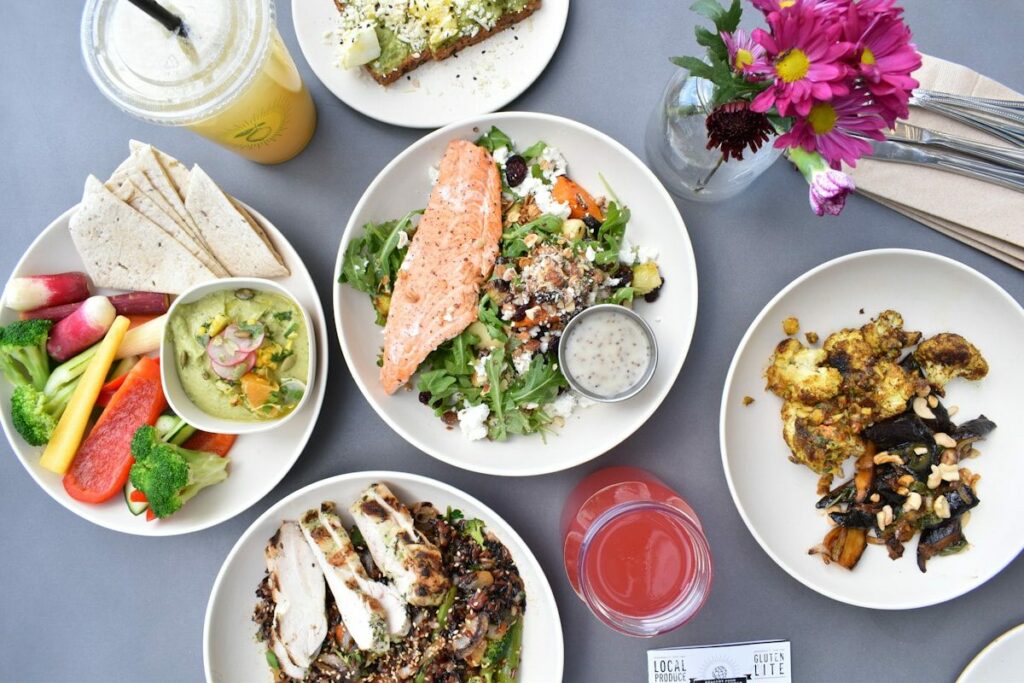
Do you ever feel like you’re always hungry, even when you’re trying to eat well? You’ve made a proper effort, your meals look healthy and yet you’re still reaching for something not long after eating. It’s frustrating and often confusing, because it feels like you’re doing everything right. But the reality is, eating healthy isn’t always enough to keep you full. More often than not, it comes down to how your meals are structured, rather than simply how “good” they look on the surface.
Why Am I Always Hungry After Eating Healthy?
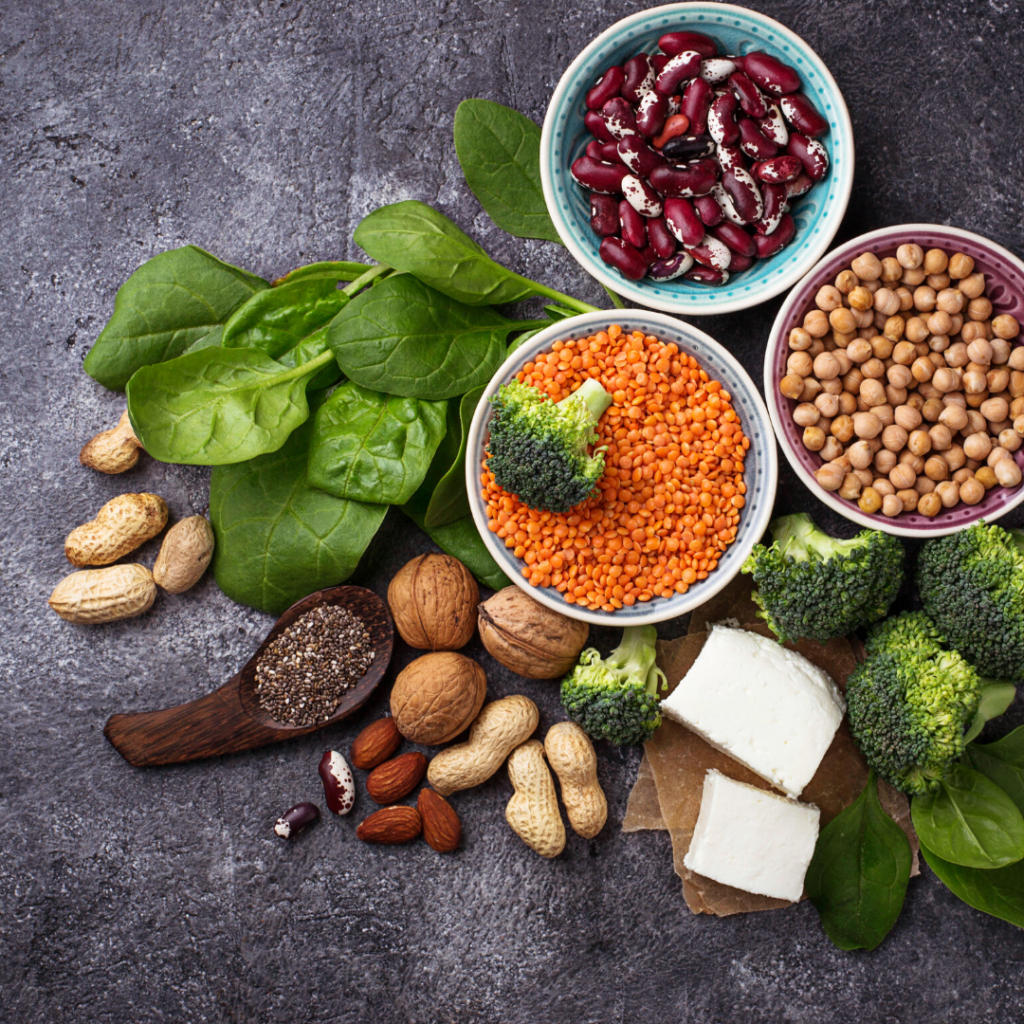
There’s no question that choosing whole, nutrient-dense foods is a brilliant foundation. Vegetables, whole grains, good quality proteins, healthy fats; these all matter.
But simply including these foods doesn’t guarantee that your body is getting what it needs at the right time, in the right balance.
A bowl of porridge on its own, for example, might be comforting and full of fibre, but without protein or fats alongside it, it can be digested relatively quickly, leading to a rise…and then a drop, in blood sugar. That drop is often what drives mid-morning hunger or the need for something sweet.
The same goes for a salad that’s largely vegetables with very little protein or a quick lunch built around carbohydrates, but lacking healthy fats. These meals can look incredibly “clean,” but they don’t always provide sustained energy or keep you full.
Here’s why this makes complete sense from a physiological point of view….
Protein plays a key role in satiety hormones like peptide GLP-1, helping you feel full and satisfied after eating. It also slows gastric emptying, meaning food leaves the stomach more gradually. Fats work in a similar way, helping to stabilise the release of glucose into the bloodstream.
When meals are lacking these components, blood sugar tends to rise more quickly and fall more sharply; that’s when energy dips, cravings and that constant thinking about food start to creep in. You’re always hungry!
So it’s not that your food choices are wrong. It’s that the structure of those meals might need a little attention.
If there’s one shift that can change how you feel quite quickly, often within just a few days, it’s how you build your meals across the day.
Not in an extreme or restrictive way, but in a more intentional, supportive way.
One of the most impactful changes is simply distributing protein more evenly. Many people tend to have very little at breakfast, a moderate amount at lunch and then a larger portion at dinner. But the body responds far better when protein intake is spread throughout the day, supporting muscle maintenance, stabilising appetite and helping with consistent energy.
Then there’s the balance between carbohydrates, protein and fats within each meal. Carbohydrates aren’t the problem, far from it, but when they’re eaten in isolation, they’re more likely to cause those sharper rises in blood sugar. Pairing them with protein and fats slows digestion and leads to a more gradual release of energy.
And perhaps most importantly, meals need to be satisfying.
Not just in terms of calories, but in how they actually feel in your body. A meal that leaves you full, focused and steady for several hours is doing its job. One that has you thinking about snacks shortly is a sign that something is missing.
Why Consistency Feels So Difficult
It’s rarely about not knowing what’s “healthy,” but usually more about putting it into practice consistently, especially when life is busy.
Decision fatigue plays a bigger role than we often realise. By the time you’ve thought about breakfast, lunch, dinner and everything in between, often for yourself and others, it becomes much easier to default to what’s quick and familiar.
And that’s usually where balance starts to slip. Meals become more reactive than intentional and you grab what’s available, repeat the same combinations or rely on convenience when energy is low. And over time, those small imbalances start to add up, leaving you feeling like you’re constantly playing catch-up.
What’s missing here isn’t motivation but structure.
How To Build Balanced Meals For Stable Energy
When your meals are already structured to include the right balance of protein, fats and carbohydrates, a lot of the mental load disappears. You’re no longer second-guessing whether something will keep you full or support your energy. You just… get on with your day.
And interestingly, it doesn’t take long to feel the difference. Within a few days of eating in a more balanced way, many people notice that their energy feels steadier, cravings begin to settle and that constant need to think about food starts to fade into the background.
How To Eat To Stay Full For Longer
If you’ve been feeling like you’re doing quite a lot already but not seeing that reflected in how you feel and you’re always hungry, this is often the missing piece. Sometimes, having that structure laid out for you, even just for a short period, is enough to help everything click back into place.
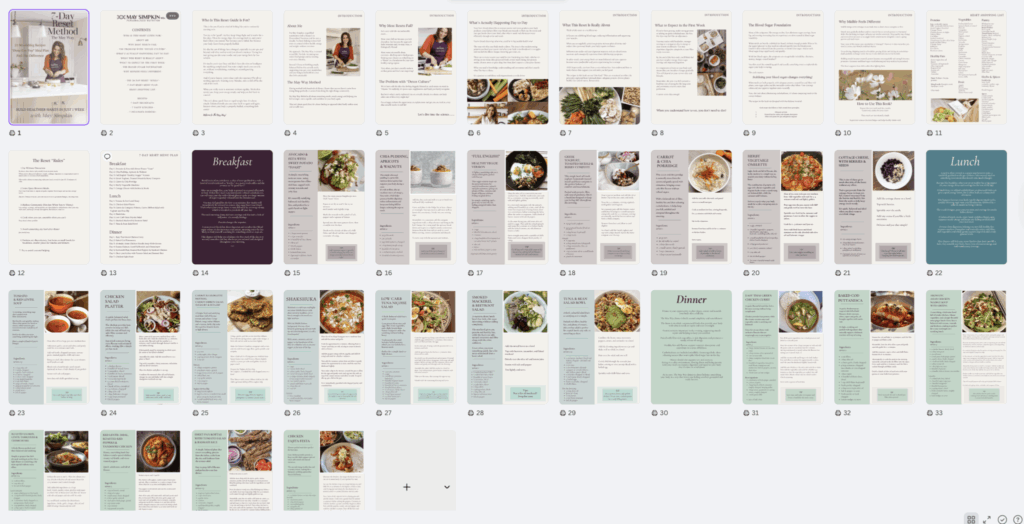
That’s very much the thinking behind my 7-day Reset Recipes eBook.
This book shows you how to build meals in a way that supports your body, using real, enjoyable food. Something you can follow easily, even on a busy week, without needing to overthink every decision.
Once you experience what that feels like, steady energy, fewer dips and less reliance on snacks, it becomes much easier to continue.

Fed Up with Being Always Hungry and Ready for a Gentle Reset?
If you’re ready to take the guesswork out of your meals and start feeling the difference for yourself, you can explore my 7-day Reset Recipes eBook HERE.
Think of it as a simple way to reset and refocus your food choices and habits, making it easier to eat well, without overcomplicating things. And most importantly, making sure you’re NOT always hungry!



0 Comments