

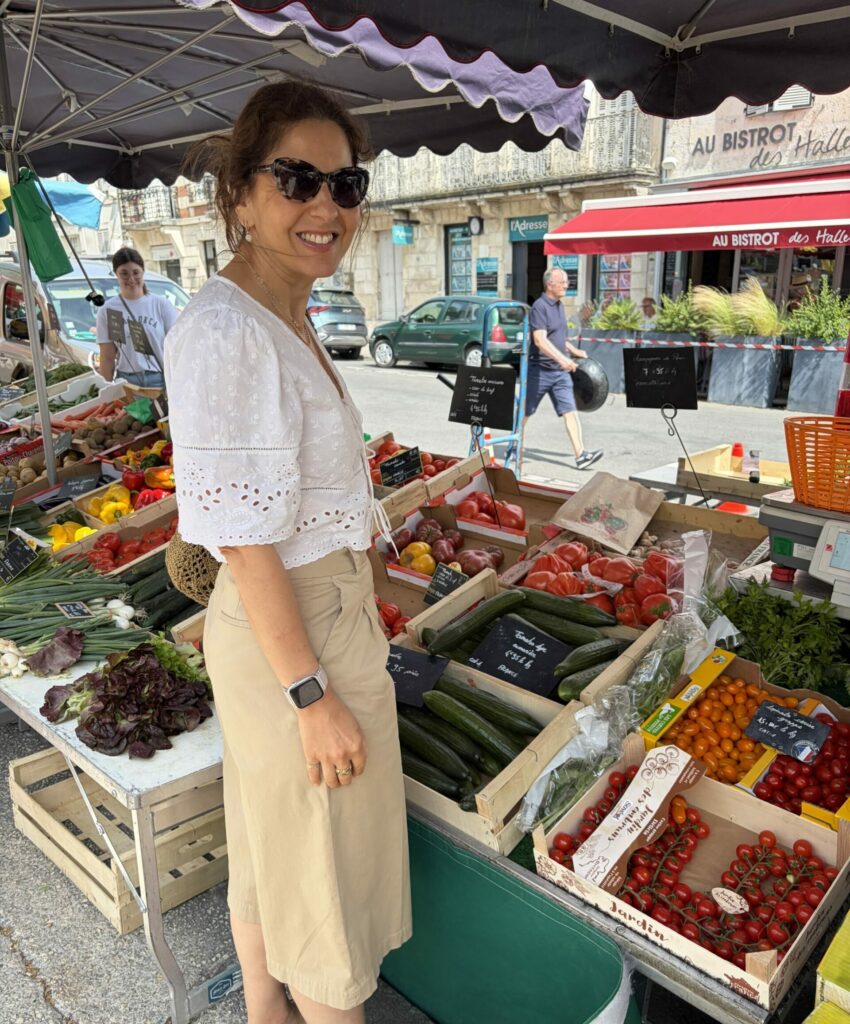
This June, I’ll be speaking at the Integrative Personalised Medicine Conference on behalf of Totally Derma Collagen, an event that brings together healthcare professionals, researchers and practitioners who share a common belief: that health is rarely determined by a single factor.
As a nutritionist, this resonates deeply with me because although nutrition forms the foundation of much of my work, I’ve long recognised that food alone is not the answer to every health challenge. What we eat undoubtedly matters, but it sits alongside a much broader network of influences that collectively shape our wellbeing.
For years, healthcare has largely been built around diagnosing and treating symptoms. This approach has delivered remarkable advances in medicine and continues to save lives every day. However, as our understanding of human health evolves, we’re increasingly recognising that two people with the same diagnosis can experience very different symptoms, respond differently to treatment and require very different forms of support.
This growing appreciation of individuality lies at the heart of Integrative Personalised Medicine.
Rather than asking simply “What condition does this person have?”, practitioners are increasingly asking “What factors might be contributing to this person’s health challenges?” It is an approach that looks beyond symptoms to consider the wider picture; nutrition, sleep, stress, hormones, physical activity, gut health, environmental exposures and emotional wellbeing all become part of the conversation.
Importantly, this isn’t about choosing alternative approaches instead of conventional medicine. It’s about recognising that health is complex and that the most effective support often comes from understanding how multiple factors interact rather than viewing them in isolation.
Generic health advice doesn’t always translate into meaningful results.
One of the reasons this approach is gaining momentum is because people are becoming increasingly aware that generic health advice doesn’t always translate into meaningful results. We’ve all heard the recommendations to eat better, exercise more and reduce stress, but anyone who has ever tried to improve their health knows that the reality is rarely that simple.
Two women can enter menopause at the same age and have entirely different experiences. Two people can follow the same diet and see very different outcomes. Even something as fundamental as sleep can influence how we respond to food choices, manage cravings, regulate blood sugar and maintain energy throughout the day.
The more we learn about health, the clearer it becomes that context matters that all aspects of our health are interconnected.
Why The May Way Aligns with Integrative Personalised Medicine
This is where I believe nutrition professionals have an important role to play. Food remains one of the most powerful tools we have to influence long-term health, but it should never be viewed as a magic solution. I’ve worked with countless clients over the years who know exactly what constitutes a healthy diet, yet still struggle with fatigue, weight management, digestive issues or low mood. Often, it isn’t because they’re eating the wrong foods. It’s because another piece of the puzzle is being overlooked.
Poor sleep can undermine even the most balanced diet. Chronic stress can influence digestion, appetite and energy levels. Hormonal changes can alter how we feel, move and respond to food. Likewise, a lack of movement, limited social connection or insufficient recovery can all impact health in ways that nutrition alone cannot fully address.
This understanding sits at the heart of what I call The May Way.
Whilst nutrition is central to everything I teach, my approach has never been about pursuing dietary perfection. Instead, it’s about helping people build a collection of habits that work together to support long-term wellbeing. That includes nourishing food, but it also includes sleep, movement, stress management, enjoyment, connection, time outdoors and creating routines that feel sustainable rather than restrictive.
Health is rarely transformed by a single supplement, a single test or a single dietary change. More often, it improves when multiple areas of life begin moving in the same direction.
What excites me most about the rise of Integrative Personalised Medicine is that it reflects this broader understanding of health. It acknowledges that we are not simply a collection of symptoms to be managed, but individuals with unique lifestyles, challenges and needs. It encourages us to move beyond asking “What’s wrong?” and towards asking “What support does this person need to thrive?”
As I head to the conference in a few weeks, I’m looking forward to hearing how this field continues to evolve. Yet in many ways, its central message feels reassuringly familiar. Health is personal. There is rarely one answer. And the most meaningful improvements often come not from dramatic interventions, but from consistently supporting the body through multiple, interconnected pathways.
For me, that philosophy has always been at the core of The May Way.
I’d love to know your thoughts.
Have you ever felt like you were doing all the “right” things with your diet but still not feeling as well as you’d hoped? Let me know in the Comments below.
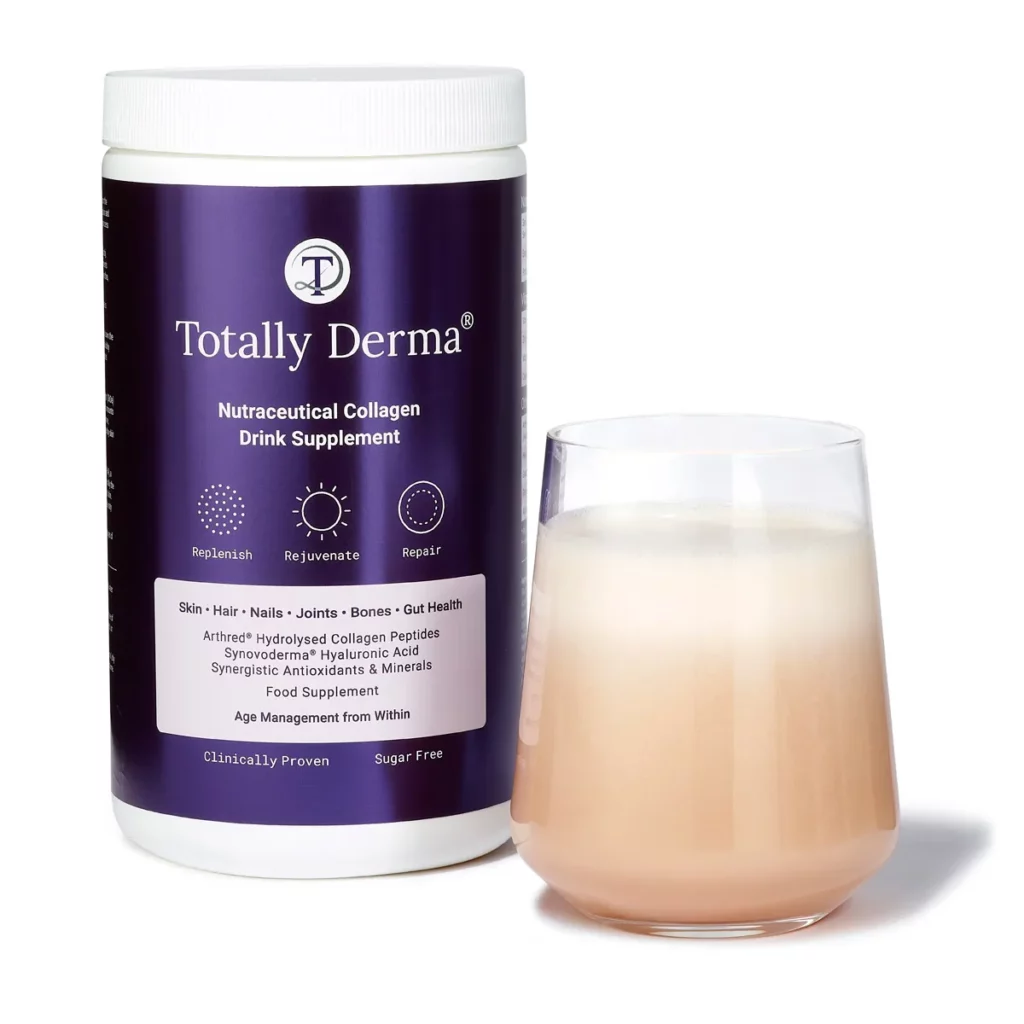
Totally Derma Collagen
If you’re looking to support your skin, joints and overall hydration naturally, this is the one I trust and take myself. Why not try it for yourself? Use “MAY15” for 15% discount on 90-DAY TRIAL. CLICK HERE
In my opinion, Totally Derma is the best collagen supplement out there. Unlike many others, it contains highly absorbable hydrolysed collagen peptides and a therapeutic dose of Hyaluronic Acid (HA), a game-changer for deep hydration.HA plays a vital role in keeping joints lubricated, easing post-menopausal dryness, and supporting skin health from the inside out.
I take it daily, mixed with water in the evening to support overnight repair, but you can just as easily stir it into a smoothie or yoghurt.
This isn’t a quick fix, but after just 3 weeks, you will probably notice a real difference. For lasting results, I recommend a 3-month course.
Use “MAY15” at the Checkout for 15% discount on 90-DAY TRIAL

0 Comments