

If you’re wondering how to lower cholesterol naturally, your diet and lifestyle are a good place to start. They can make a meaningful difference to LDL cholesterol (often called “bad” cholesterol) and your overall cardiovascular health.
Now, I want to be clear: medication can be incredibly important and, for some people, it is absolutely the right choice. This is particularly true when cardiovascular risk is high or if cholesterol levels are significantly elevated, but I also think we sometimes overlook just how much diet and lifestyle can influence cholesterol levels.
Lowering cholesterol naturally isn’t about finding one food (or supplement) that will magically lower your cholesterol.
The most effective natural approach is multi-pronged.
Think of it as tackling the problem from several directions: reducing the things that can drive LDL cholesterol up, increasing the foods that help move cholesterol out of the body, and making lifestyle changes that support better metabolic and cardiovascular health.
The aim is to reduce dietary factors that can raise LDL cholesterol, increase the foods that help your body eliminate cholesterol, and support the metabolic processes that regulate it.
So, if you have high cholesterol, here are five evidence-based changes I would start with…
1. Eat more soluble fibre to help lower LDL cholesterol
If there’s one nutritional change I’d prioritise when looking at how to lower cholesterol naturally, it’s increasing soluble fibre.
Why? Because soluble fibre can actually influence how your body processes and removes cholesterol.
Found in foods such as oats, barley, beans, lentils, chickpeas, apples and flaxseed, soluble fibre forms a gel-like substance in your digestive tract. This helps bind bile acids, which are made by the liver, using cholesterol.
Normally, some of these bile acids are reabsorbed in the gut and recycled. Soluble fibre can reduce this recycling, meaning more bile acids leave the body in your stool.
Your liver then needs to make more bile acids, using cholesterol to do so. This can increase its demand for cholesterol and stimulate the removal of LDL cholesterol from your bloodstream.
In simple terms, soluble fibre helps your body get rid of cholesterol.
You don’t need to overhaul your diet overnight. Simply start by increasing foods that contain soluble fibre in your choices; for example, porridge for breakfast, add beans or lentils to lunch, or include more vegetables and fruit throughout the day.
The key is consistency. Gradually increasing fibre intake can help support cholesterol management as well as gut health.
2. Replace some saturated fat with unsaturated fat
One of the most effective dietary changes for lowering LDL cholesterol is to look at the type of fat you eat.
Fat isn’t something to fear. Your body needs it, but different types of fat affect cholesterol metabolism differently.
A high intake of saturated fat can raise LDL cholesterol, partly by affecting the liver’s ability to remove LDL particles from the blood. Replacing some saturated fat with unsaturated fat can help lower LDL cholesterol.
Unsaturated fats are found in foods such as extra virgin olive oil, rapeseed oil, nuts, seeds, avocado and oily fish.
This is why I prefer to focus on what you replace, rather than simply what you remove.
For example, using olive oil more often instead of butter, or choosing nuts as a snack, can improve the overall fat profile of your diet.
You don’t necessarily need to eliminate cheese or butter. Instead, look at how often you eat them, your overall saturated fat intake and where you can make practical swaps.
The benefit comes from changing the balance of fats in your diet, not simply cutting out all fat.
3. Eat more plant foods to reduce cholesterol absorption
A plant-rich diet is one of the foundations of a cholesterol-lowering diet, and there are several reasons why it works.
Vegetables, fruit, beans, lentils, wholegrains, nuts and seeds provide fibre and a range of plant compounds that support cardiovascular health.
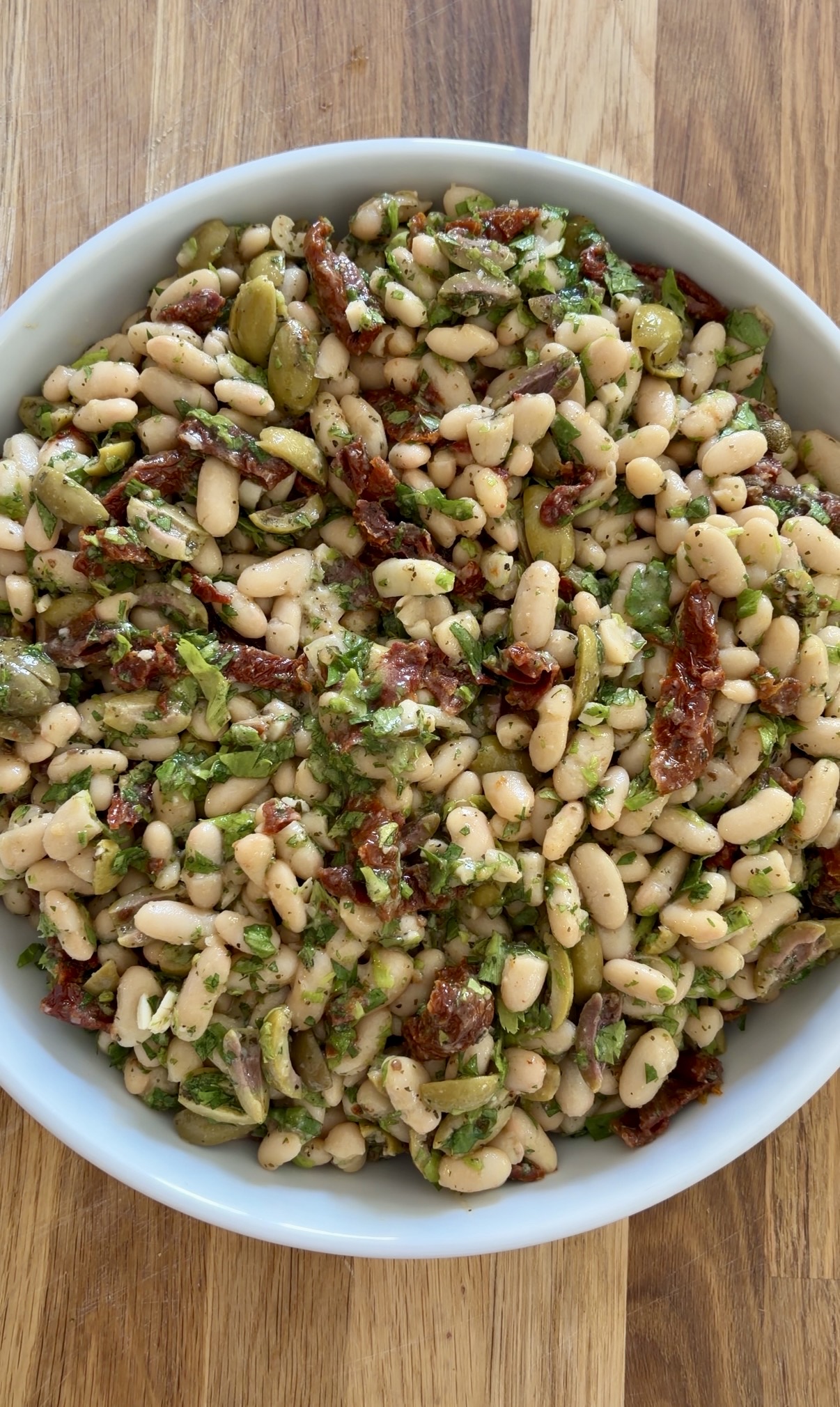
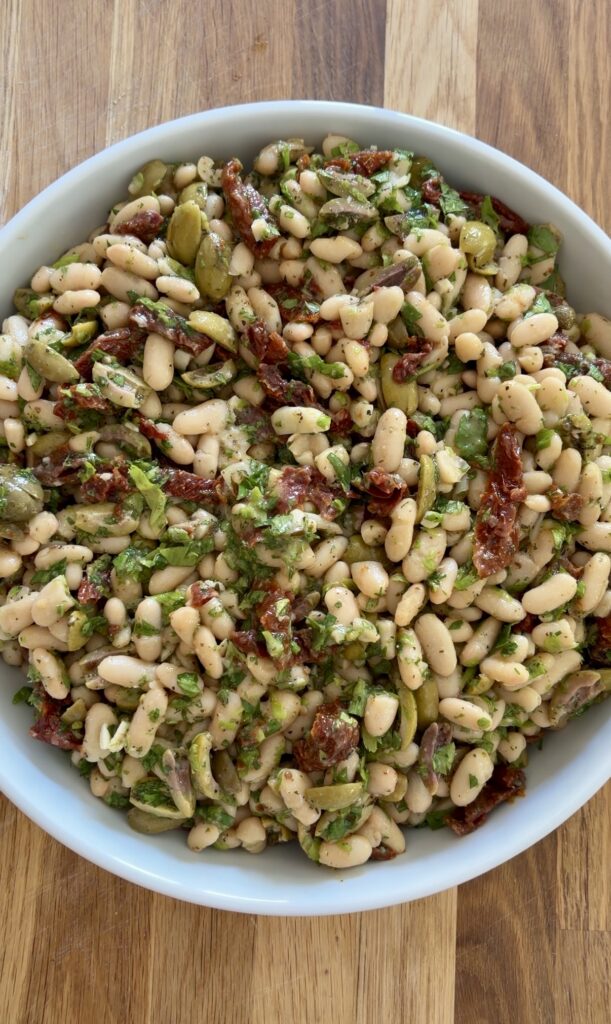
High fibre Cannellini Bean, Sundried Tomato & Olive Salad
One particularly interesting group is plant sterols and stanols. These substances have a structure similar to cholesterol and compete with it for absorption in the intestine. This reduces the amount of cholesterol absorbed into the bloodstream.
When less cholesterol is absorbed, the liver can respond by increasing its uptake of LDL cholesterol from the circulation.
The effect of ordinary plant foods varies, and the amounts of plant sterols in a typical diet are generally much lower than those used in products specifically fortified with them. Nevertheless, a varied, plant-rich diet remains an important part of cholesterol management.
There’s also a practical benefit. When you build meals around plants, you’re more likely to increase fibre intake and displace some foods that are higher in saturated fat.
Think lentil soup, a bean salad, porridge topped with fruit and seeds, or vegetables served alongside wholegrains and a source of protein.
4. Exercise regularly to support healthy cholesterol levels
Can exercise lower cholesterol? It can help, although its effects on LDL cholesterol are usually more modest than those achieved through dietary changes.
Regular physical activity helps your body process triglycerides, a type of fat carried in the blood. It can increase the activity of enzymes involved in clearing triglyceride-rich particles and may help improve HDL cholesterol, often called “good” cholesterol.
Exercise also improves insulin sensitivity and supports blood pressure, cardiovascular fitness and body composition.
These benefits matter because cholesterol is only one part of your overall cardiovascular risk.
You don’t need to spend hours in the gym. Brisk walking, cycling, swimming, dancing, gardening and even housework all contribute to physical activity. Ideally, combine aerobic activity with resistance training and reduce the amount of time you spend sitting.
The important thing is to find something you enjoy enough to do regularly.
Exercise may not transform your LDL cholesterol on its own, but combined with a cholesterol-friendly diet, it contributes to a healthier cardiovascular profile.
5. Improve your metabolic health
This is the bit I think we often miss. Cholesterol doesn’t exist in isolation. Your cardiovascular health is influenced by a whole network of factors including blood pressure, blood glucose regulation, physical activity, body composition, smoking, sleep and stress.
So if your cholesterol has risen, don’t just ask: “What can I eat to lower it?”
Ask: “What does my overall lifestyle look like?”
- Are you eating enough fibre?
- Are most of your meals built around minimally processed foods?
- Are you getting enough movement?
- Are you sleeping well?
- Are you drinking more alcohol than you’d like?
- Are you eating a lot of ultra-processed foods?
- Are you managing stress?
It’s important to look at the whole picture.
Can you lower cholesterol naturally without medication?
For many people, lifestyle changes can significantly improve cholesterol levels. The extent of the improvement depends on your starting levels, genetics, current diet, metabolic health and the changes you make.
But natural approaches and medical treatment aren’t mutually exclusive. If your doctor recommends a statin or another cholesterol-lowering medication, don’t stop or delay treatment in favour of diet or supplements. Medication may be particularly important if you have familial hypercholesterolaemia, established cardiovascular disease or a high estimated cardiovascular risk.
You can still improve your diet, increase activity and support your metabolic health alongside medication. These changes offer benefits that go beyond cholesterol alone.
It’s also worth having your cholesterol re-checked after making sustained lifestyle changes, with the timing agreed with your healthcare professional. This helps you understand whether your approach is working and whether your treatment needs reviewing.
In Summary….The May Way approach to lowering cholesterol
I don’t believe in fear-based nutrition or putting foods on a forbidden list unnecessarily. I prefer to understand what’s happening in the body and make changes that have a clear nutritional purpose.
Instead, I like to think about reducing and removing.
- Reduce what may be driving LDL upwards.
Particularly excess saturated fat and highly processed foods. - Remove what your body doesn’t need.
Increase soluble fibre and plant-rich foods that help your body eliminate cholesterol through the gut. - Then support the whole system.
Move more. Eat well. Sleep. Manage stress. Look after your metabolic health.
It’s a multi-pronged approach, and that is precisely why I don’t think we should dismiss the potential impact of lifestyle.
0 Comments