

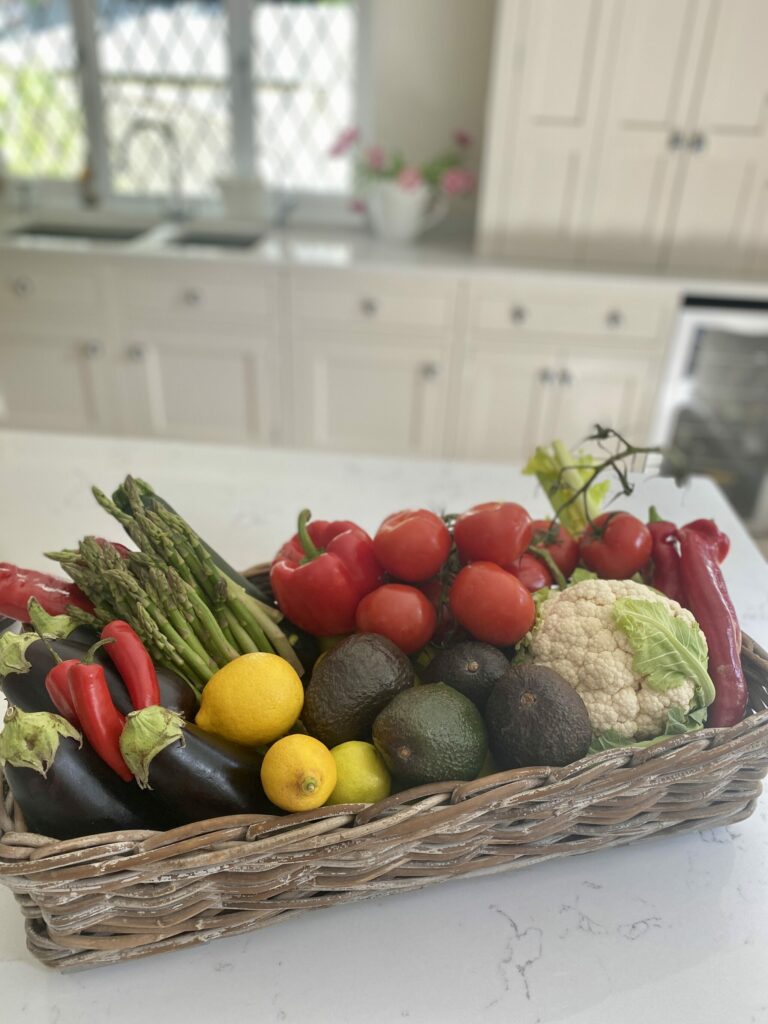
We’re hearing a lot about ultra-processed foods and overall health and I believe we’re at a turning point. For years, the conversation around health has revolved around calories, macros, low-fat, low-carb, and high-protein. Nutrition was discussed in terms of goals and numbers.
But the latest wave of research is forcing an entirely different angle, not “how much are we eating?” but “what exactly are we eating?” And this is exactly the type of nutrition I want you to be focusing on…..This is The May Way!
High intake of ultra-processed foods is associated with a significantly increased risk of developing disease, including up to a 47% higher risk of heart attack and stroke in those consuming the highest amounts.
This is a wake-up call.
What Are Ultra-Processed Foods?
Ultra-processed foods are industrially manufactured products made primarily from refined ingredients, additives and flavour enhancers rather than whole foods. Diets high in ultra-processed foods are linked to inflammation, poor gut health and increased risk of chronic disease.
The NOVA classification system, developed at the University of São Paulo, groups foods based on how processed they are, not how many calories they contain, with Ultra-Processed Foods (UPFs) topping the list.
They typically contain:
- Refined starches
- Isolated proteins
- Hydrogenated oils
- Artificial flavour enhancers
- Emulsifiers, stabilisers and colourings
Basically, ingredients you wouldn’t recognise in your own kitchen!
Packaged snack bars, flavoured yoghurts, breakfast cereals, processed meats, fizzy drinks, ready meals and even some foods marketed as “high protein” or “low fat” tend to all be UPFs.
What worries me is that you can hit your calorie target perfectly and still be eating a diet that not only leaves you under-nourished, but is also driving inflammation.
What are the Risks of Ultra-Processed Foods and Overall Health
It’s not just about sugar or fat. Emerging evidence suggests several mechanisms:
1. Disrupted Apetite Regulation
These foods are engineered to be hyper-palatable. They override your natural satiety signals and you eat more without even realising.
2. Blood Sugar Volatility
UPFs tend to be high in refined starches and low in fibre. This will cause glucose spikes and crashes soon after. Over time, that stresses the cardiovascular system and also increases the risk of developing type 2 diabetes.
3. Additives & Emulsifiers
Additives and emulsifiers can disrupt gut bacteria, causing intestinal permeability and this leads to systemic inflammation.
4. Nutrient Dilution
Diets high in ultra-processed foods tend to avoid fibre, as well as powerful nutrients like antioxidants and essential fats (omega-3s) that combat inflammation and the array of vitamins and minerals we need to protect our overall health.
Here’s The Shift…We’re Veering From Calorie Counting to “How Close to Nature?”
For decades, we’ve been told weight management is about “calories in vs calories out.” And yes, this is still the case, but here’s what’s more powerful.
Ask yourself “How close is this food to how it originally grew?”
An apple? Close. A lentil? Close. Salmon? Close. Plain yoghurt? Close.
A protein bar with 17 ingredients?
Less so!
When we choose foods closer to their natural state, several things happen automatically:
- Fibre intake increases
- Satiety improves
- Blood sugar stabilises
- Micronutrient density rises
- Additives disappear
Food as Medicine Isn’t a Trend
The idea that food can protect our health isn’t new, but we’ve drifted far from it.
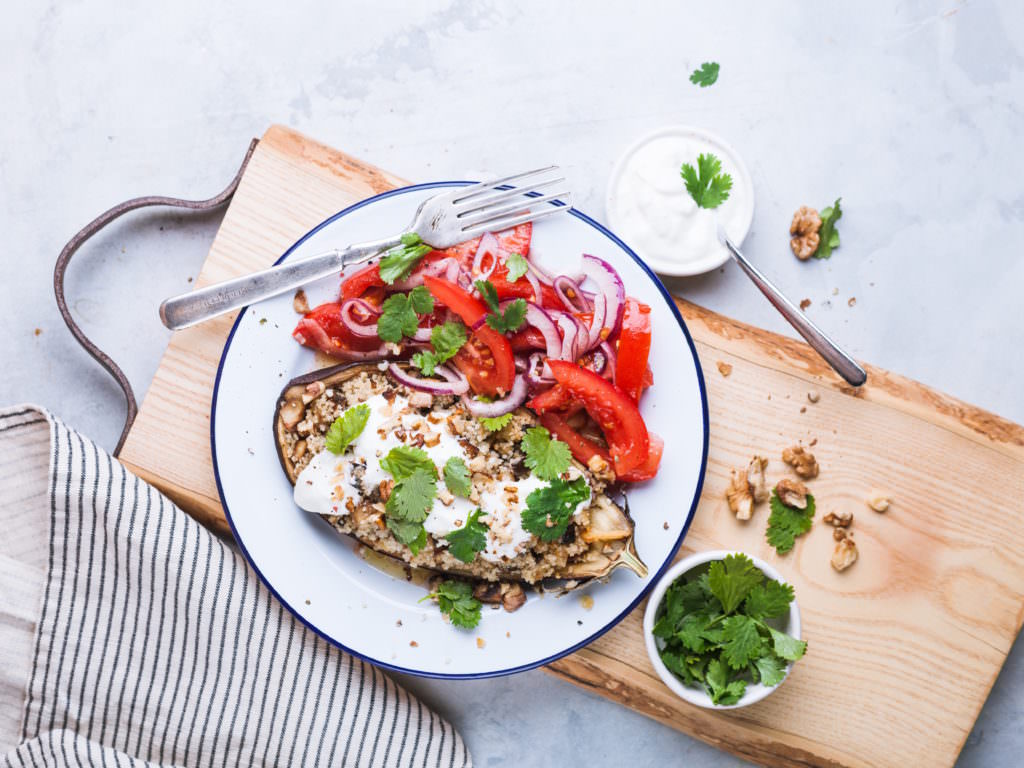
If you’ve followed my work, you’ll know that I do not count calories and instead my approach is about eating REAL food, balancing the proportions of food groups on your plate carefully. This is the “food as medicine” approach.
Here’s what it looks like in reality:
- Building meals around vegetables, legumes, quality proteins and healthy fats
- Using herbs, spices and acidity to enhance flavour instead of processed sauces
- Batch cooking basics (like lentils or beans) to make whole foods convenient
- Keeping ultra-processed foods occasional, not the foundation of your choices.
And crucially: It focuses on what we add in, not just what we remove.
So, before you eat something, ask yourself: “Would my grandmother recognise this as food?”
If the answer is yes, you’re probably on the right track. If the answer is… questionable, pause and turn over that label!
This shift, from counting calories to asking how close to nature? may be one of the most important health pivots of this decade.


0 Comments