

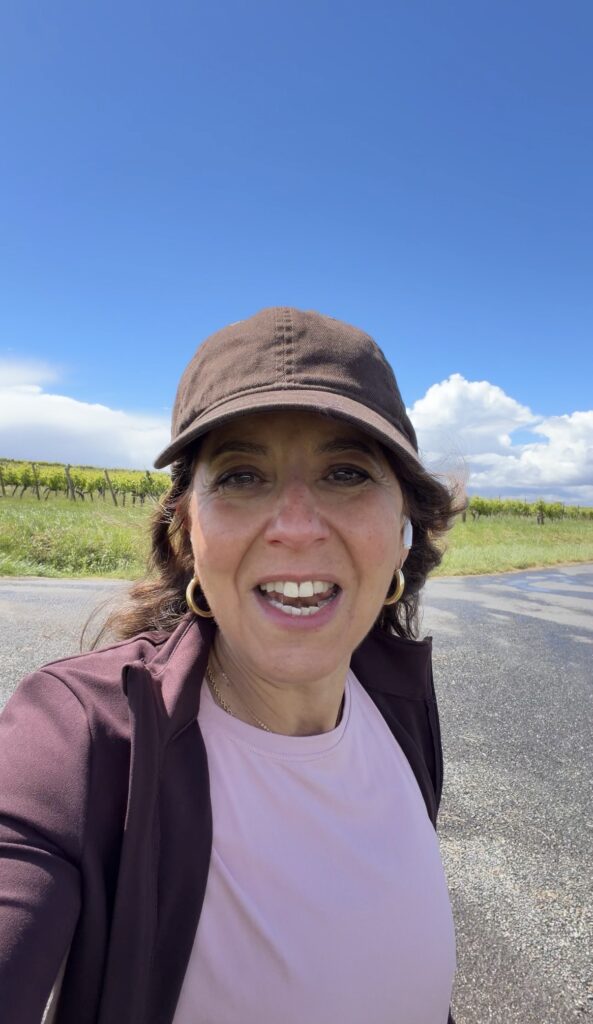
Summer often makes us feel healthier! We spend more time outdoors, generally move more, enjoy brighter mornings and perhaps even feel more confident in our skin. But if you’ve noticed changes to your skin during menopause, your skin looking a little drier, thinner, less plump or simply “different” in your 40s, 50s and beyond, you’re certainly not imagining it.
As a nutritionist, I often remind clients that healthy skin, particularly in later years, requires a multi-pronged approach. There is no single magic supplement, cream or “miracle food” that suddenly restores skin health. Instead, skin reflects what is happening internally: hormones, nutrition, hydration, inflammation, sleep, stress and lifestyle all play a role.
And for many women, one of the biggest shifts affecting skin health is declining oestrogen, as we head towards menopause.
Why Does Skin Change During Menopause?
One of oestrogen’s jobs is helping maintain skin structure and strength. As oestrogen naturally declines during perimenopause and menopause, many women begin to notice changes such as:
- Thinner skin
- Increased dryness
- Reduced elasticity
- More visible fine lines
- Slower wound healing
- Loss of firmness or plumpness
This is partly because oestrogen plays a role in collagen production, hydration and skin thickness. In fact, research suggests women can lose a significant amount of collagen in the first years following menopause.
The result? Skin can begin to feel less resilient and more reactive to environmental stressors and this is particularly apparent during summer, when UV exposure, dehydration and lifestyle shifts can place additional strain on skin health.
However, while hormonal change is natural, there is still a great deal we can do to support skin health from multiple angles.
Why a Multi-Pronged Approach to Skin During Menopause Matters
If you are relying solely on expensive skincare while ignoring nutrition, hydration, movement, hormones and recovery, you may be missing a huge piece of the puzzle.
Supporing your skin during menopause and indeed healthy ageing skin, works best when we support it from the inside and outside.
Here is what I encourage clients to think about.
1. Protect the Collagen You Already Have
When it comes to healthy ageing, protecting collagen is just as important as supporting it.
One of the biggest contributors to collagen breakdown is UV exposure. While sunshine boosts mood and vitamin D, excessive sun exposure accelerates skin ageing through oxidative stress.
This does not mean avoiding sunshine altogether, far from it, but rather being mindful.
Think:
- Daily SPF
- Sunglasses and hats, where appropriate
- Avoiding prolonged intense midday sun
- Supporting skin recovery after sun exposure
Summer should absolutely be enjoyed, but keep your skin longevity in mind.
2. Prioritise Protein (It Matters More Than You Think)
Collagen is made from amino acids, the building blocks of protein.
Yet many women, particularly in midlife, are unintentionally under-eating protein. If your body lacks the raw materials needed for repair and regeneration, supporting skin health becomes harder.
Aim to include quality protein regularly throughout the day, such as:
- Eggs
- Greek yoghurt (not Greek Style)
- Fish, especially oily fish like sardines and mackerel
- Chicken
- Lentils and legumes
- Tofu or edamame
- Cottage cheese
Balanced meals that include protein can support far more than skin, they also help maintain muscle mass, satiety and healthy ageing overall.
3. Don’t Forget Vitamin C (Collagen’s Helpful Partner)
Collagen support is not just about collagen itself. Vitamin C plays an important role in collagen production, meaning low intake may affect the body’s ability to support healthy connective tissue.
Summer is actually one of the easiest seasons to increase intake naturally.
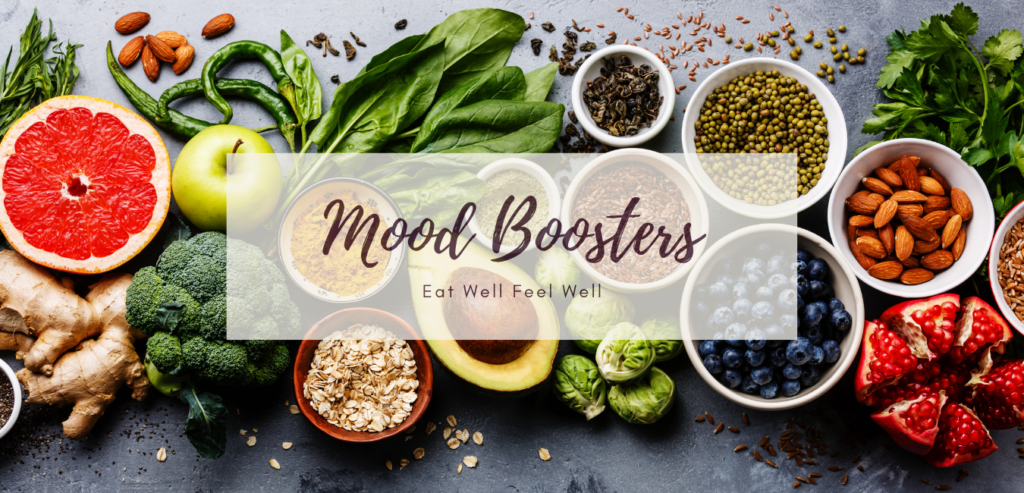
Think colourful foods such as:
- Strawberries
- Peppers
- Kiwi
- Citrus fruits
- Tomatoes
- Fresh herbs
The more colour on the plate, the better…that’s The May Way!
4. Hydration Matters More in Summer
Dehydrated skin rarely looks or feels its best.
Warmer weather, travel, increased movement, alcohol and simply sweating more can all increase your hydration needs.
And no, coffee alone probably will not cut it! But herbal teas will!
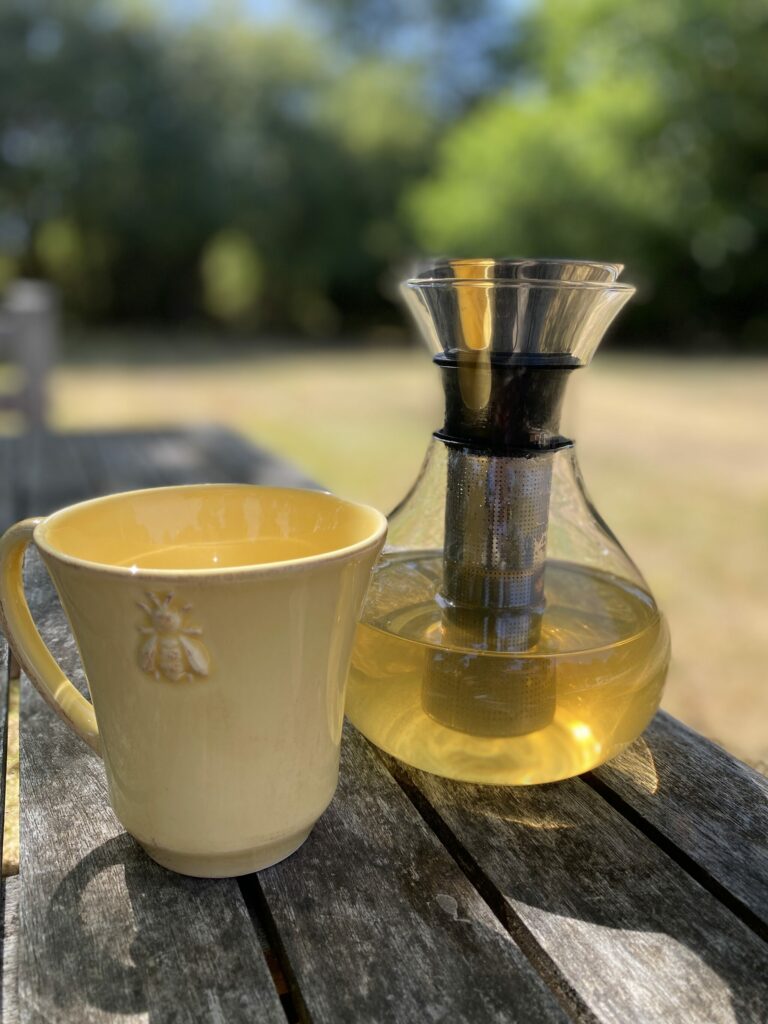
Simple habits can help:
- Keeping water visible and accessible
- Adding flavourings like cucumber or mint to make it more appealing
- Including hydrating foods such as salads, tomatoes and berries
- Being more mindful after flights, holidays or hot days
Sometimes what looks like “tired skin” is actually a hydration issue.
5. Support Recovery and Movement
Summer often means more movement without us even noticing, which is a great thing of course. Long walks, gardening, swimming, travel, Pilates, tennis, carrying luggage, our bodies are often doing more.
This also means healthy circulation, muscle maintenance, better sleep and recovery, all of which contribute to healthy skin.
Whilst movement supports healthy ageing beautifully, so does allowing the body time to repair.
Poor sleep, overdoing things and running on empty can all show up in the skin.
6. Consider Internal Support for Skin Health
While food-first will always be my foundation, I also believe there can be a place for additional support, especially as collagen production naturally declines with age.
This is where I choose to include a collagen supplement as part of a broader strategy, rather than expecting it to work in isolation.
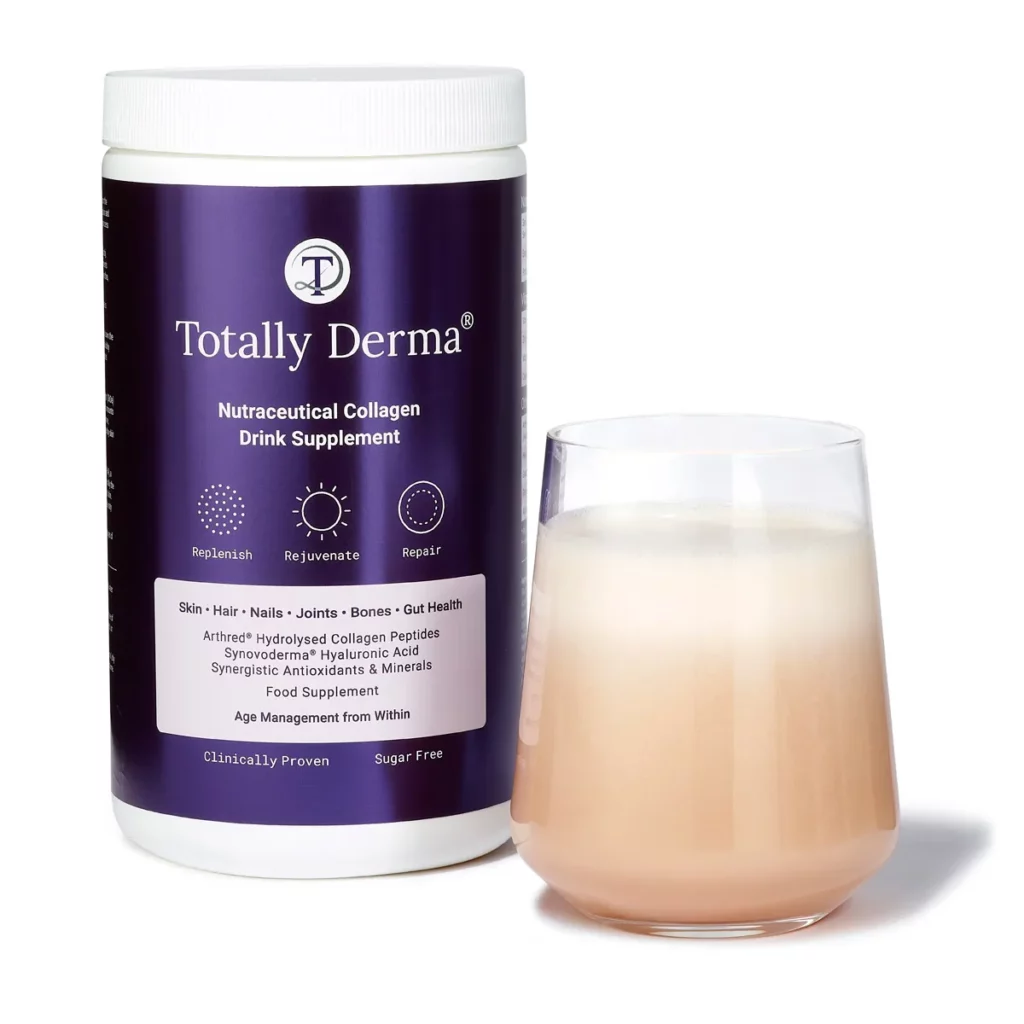
Because the truth is this, no supplement works well on top of poor habits. But when combined with balanced nutrition, protein, vitamin C, hydration, movement and skin protection, it can become part of a consistent approach to supporting healthy skin as we age.
I have been using Totally Derma Collagen for the past 8 to 9 years, which not only supports my skin health, but as it contains Hyaluronic Acid as well as 10g hydrolysed collagen, it also my joints. Why not try it for 3 months and see for yourself… use MAY15 when you choose the 90-DAY TRIAL for 15% discount…. CLICK HERE. I’m a big fan!
The Bigger Picture on Skin Health During Menopause
I think one of the most empowering things women can understand is this:
Changes in your skin are not a sign that you are “doing something wrong.” Hormones naturally shift, there are changes in oestrogen and indeed your skin naturally evolves.
But supporting your skin does not need to mean chasing perfection or buying endless products. Instead, think of skin health as a reflection of overall wellbeing.
Protect what you have, nourish from within, move your body, prioritise recovery…all of the above!
Tell me…
What is one thing you’ve noticed that has changed about your skin in recent years? Is it dryness, texture, elasticity or something else? Sometimes simply understanding why things are changing can help us support your bodies more effectively.


1 Comment
Nano Banana
I’ve noticed skin changes in my 40s and never realized how much hormones, sleep, and stress all interplay. Your explanation really helps connect the dots between lifestyle factors and skin health, especially during menopause. It’s encouraging to see a more holistic perspective rather than focusing solely on products.